
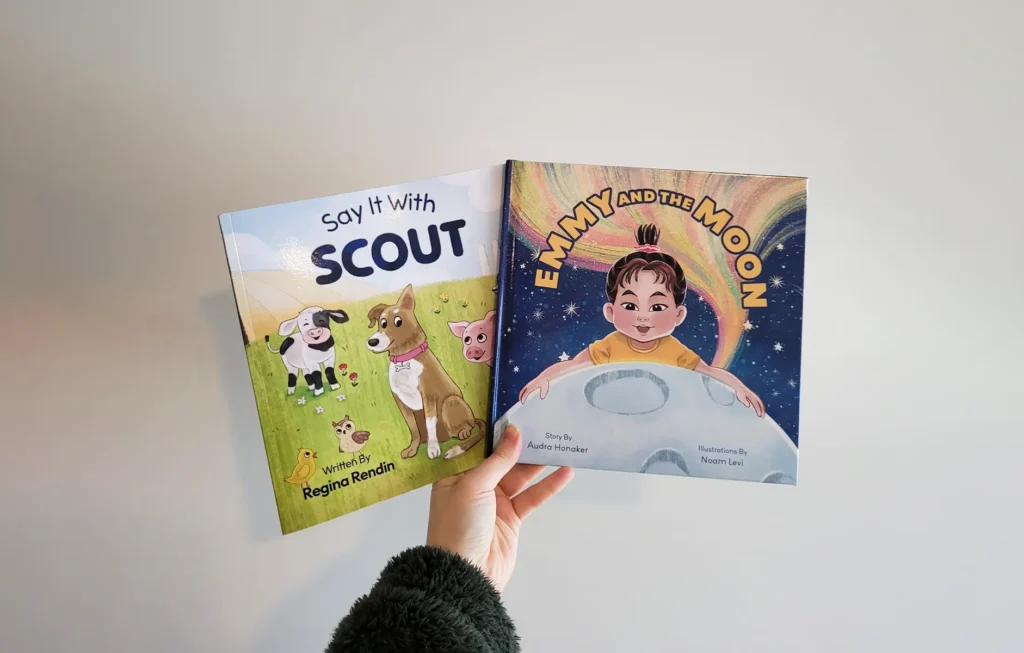
Ever since AI-generated art got popular, I’ve been getting a lot more work.
That might sound like a crazy statement for a freelance illustrator to make, but it’s true – and here’s why I think that happened:
It created a clear divide between two groups of authors –
The first group consists of people who see children’s books as a hobby.
Anyone can publish a book these days.
You don’t even have to worry about being left with unsold inventory if you really don’t want to.
You have Amazon KDP, IngramSpark, and many other print-on-demand companies to help with that.
That accessibility has been both good and bad.
On the one hand, it opened doors for many talented authors who may not have been able to take the traditional publishing route otherwise.
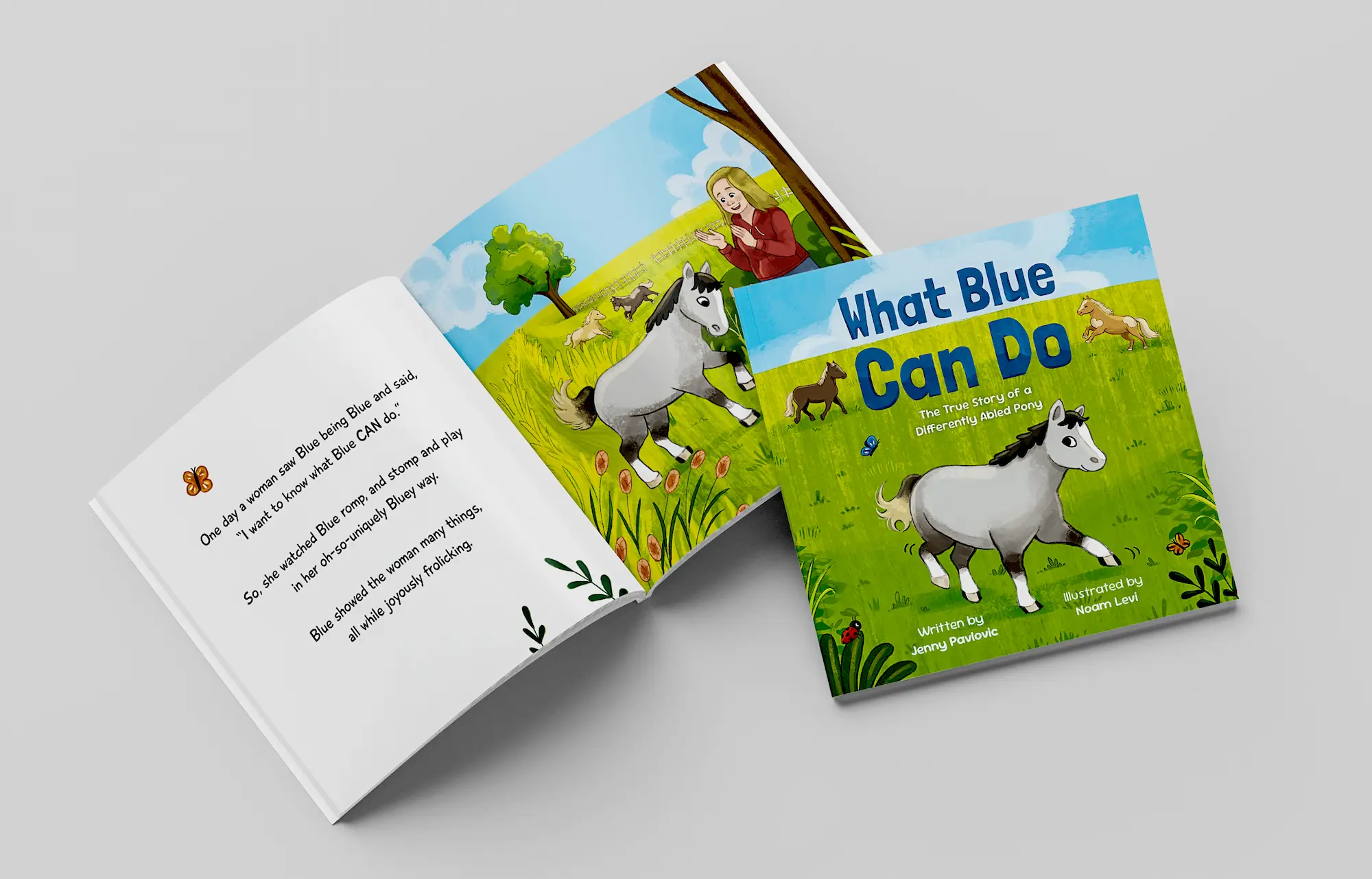
Publishing houses receive so many submissions that sometimes, even if you have an incredible manuscript, you might still get turned away.
That absolutely sucks, and it’s one of the reasons why I really enjoy working with self-published authors.
However, that same accessibility combined with AI also created the situation we have today: a flood of hastily put-together AI-generated picture books that will likely never make it onto a bookstore shelf.
People talk a lot about the ethics of AI, but I don’t see nearly enough people talking about how synonymous the term AI art has become with “cheap.”
And it’s no wonder – it’s not even cheap – it’s essentially free.
Whatever your opinion is on the ethics of AI, you have to at least consider the fact that if you use AI to generate the illustrations for your book, there’s a very good chance it will be perceived that way.
Now, I know I went on about AI for the past few paragraphs, so this might seem like a bit of a contradiction – but I actually don’t think AI is the central issue here.
I think it’s a mindset issue.
If someone is willing to compromise the quality of one part of the process, chances are they may be willing to compromise in other areas too.
It’s no wonder that when many people see an AI-illustrated book, they find themselves wondering if it was also written by AI.
We make these sorts of assumptions without even noticing it all the time.
To a person who views children’s books as a hobby, that might not matter too much.
But if you’re serious about becoming an author, this is something you will have to accept eventually.
That doesn’t mean there aren’t exceptions, of course. Some AI books do well – but unless you’re very good at marketing, don’t assume you’ll be one of them.
Thankfully, there is another side to this story. There are also authors who are serious about their craft and see children’s books as a business.
Those are the people I’m very grateful to call my clients – and this is what this post was initially supposed to be about before my brain took it in a different direction (sorry about that).
So let me get back to my original point: Ever since AI art became popular, I’ve been getting a lot more inquiries from people I want to work with.
A lot more inquiries in general.
I think it’s partially because creative people are more appreciative of human-made art now as a consequence of AI.
It’s also because I was lucky enough to document my process before AI art became prevalent, and with AI scams being so common these days I’ve made it easier for potential clients to verify that I’m authentic.
Now, I know what some people reading this might be thinking: “I want to create a high-quality book, but art is expensive.”
And you’re right. 100% – there’s no denying that.
I know there are many incredibly talented authors out there who simply don’t have the funds, and whenever I can, I try to be considerate of that.
I’ve given discounts in the past and done my best to structure projects in ways that stretch their budget creatively.
Even replacing some full-page illustrations with spots can often bring the price of children’s book illustration down without requiring your illustrator to work longer hours for less pay.
However – publishing a children’s book is a business like any other – and businesses have risks.
If I didn’t decide to pursue art full-time, I would never be where I am today.
I literally have the job I’ve dreamed about since I was twelve.
That only came about because I was willing to take that risk – and it really was a risk. Illustration isn’t exactly known for being a profitable career path.
On top of that, for most of my life I struggled with social anxiety, and when I was starting out – it definitely made finding clients much harder than it needed to be.
But I’m grateful every day that I took that risk and that I can support myself financially doing something I’ve been in love with since I was a child.
And I hope, from the bottom of my heart, that more people get to experience that too, even if the path they take to get there isn’t always clear or easy.
Most worthwhile things usually aren’t.
That doesn’t mean you shouldn’t pursue them.